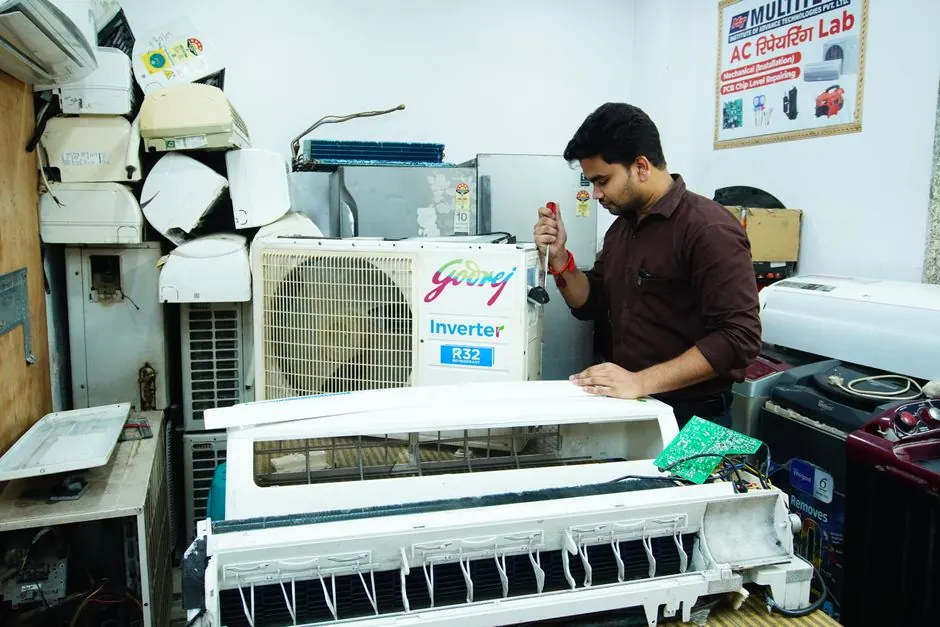
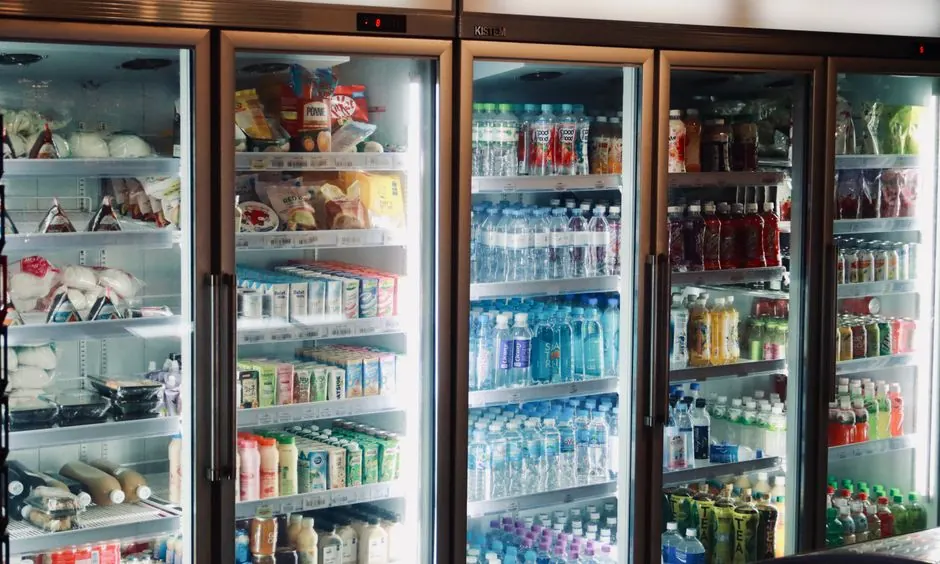
Our Washington service lineup covers the full path from a warm refrigerator or failing freezer to ice maker, compressor and urgent repairs. If food is warming or a freezer is not holding its set point, we test the system and explain the repair before work begins. Residential refrigerator repair Washington customers request includes common household brands, while commercial calls focus on restoring dependable cold storage and limiting downtime.
01
Upfront optionsNo work before you approve it
02
Respectful serviceClean floors, clear communication
03
Real guaranteesRepairs backed in writing
04
Local techniciansLicensed local professionals
What we do
Refrigerator and Freezer Services
Our Washington service lineup covers the full path from a warm refrigerator or failing freezer to ice maker, compressor and urgent repairs. If food is warming or a freezer is not holding its set point, we test the system and explain the repair before work begins. Residential refrigerator repair Washington customers request includes common household brands, while commercial calls focus on restoring dependable cold storage and limiting downtime.
Most requested
Refrigerator Repair
We diagnose refrigerators that are warm, noisy, leaking or cycling too often, then test the compressor, thermostat and airflow as needed. Customers from Seattle to Wenatchee get a repair plan based on measurements, not guesswork. We verify operating temperatures after the repair so you know whether the cabinet is returning to a safe range.
Our freezer repair covers weak cooling, frost buildup, door-seal problems and units that run continuously. In eastern Washington's dry summer heat or damp coastal conditions, a freezer still needs stable airflow and a sound gasket. We inspect the likely fault, test key components and confirm the unit is pulling toward its set temperature before closing the job.
An ice maker that stops filling, jams or produces undersized cubes often points to a water supply, filter or assembly fault. We check the water filter and ice maker assembly, then test a complete fill-and-eject cycle. From Bellevue kitchens to Spokane homes, the goal is a reliable ice cycle without unnecessary replacement of working parts.
Tell us what changed, when it started and whether the refrigerator is warm, leaking, noisy or tripping a breaker. Share the brand and model if available, plus a cabinet reading from an appliance thermometer. Those details help our team prepare for the most likely diagnostic checks.
Our technician checks temperature, airflow and electrical operation, then inspects the component indicated by the evidence. A clamp meter or multimeter helps identify electrical faults, while visual checks catch blocked coils, frost patterns and damaged seals. We explain the diagnosis in straightforward language.
You receive the recommended repair and price before work begins. We discuss whether the fault calls for a component repair, further testing or a more involved refrigeration job. Once you approve, we complete the work using the correct procedure for the appliance and its refrigerant system.
Before wrapping up, we confirm that the repaired component operates and that airflow is restored. Refrigerator compartments are commonly set near 37°F, with freezers near 0°F; temperature recovery can take several hours after a major fault. We tell you what to monitor and when to recheck the cabinet.
STEP 01Describe the fault
Tell us what changed, when it started and whether the refrigerator is warm, leaking, noisy or tripping a breaker. Share the brand and model if available, plus a cabinet reading from an appliance thermometer. Those details help our team prepare for the most likely diagnostic checks.
Our standard
Measured Refrigerator Repair Across Washington
Refrigerator Repair in Washington should begin with a useful diagnosis, not a parts guess. Our technicians listen to the symptom, measure temperatures and electrical behavior, then show you what failed and what did not. We serve coastal, urban, mountain-edge and inland communities, adapting the visit to the appliance and the access conditions at your home or workplace.
01
⌂
Diagnosis Before Parts
We use a multimeter to check electrical components and inspect airflow before recommending a replacement. A refrigerator running warm at 50°F needs a different response from one holding at 38°F with a failed ice maker. We record the relevant readings, explain the fault, and get your approval on the repair price before the work proceeds.
02
◎
Prepared for Washington Routes
Our statewide coverage connects metro routes in Seattle, Tacoma, Everett, Spokane and the Tri-Cities with service in smaller communities. Coastal moisture, inland heat and colder winter conditions create different operating stresses, but the diagnostic process stays consistent. We confirm the appliance model and symptoms up front so the technician can bring appropriate tools and likely parts.
03
$
Clear Freezer Repair Choices
Washington freezer repair is easier to plan when you know whether the trouble is a door seal, fan, defrost system or compressor. We explain the evidence, expected repair time and parts needs before starting. For a straightforward fan or relay repair, the work may take about one to two hours; sealed-system work takes longer.
Good questions
Washington Refrigerator Repair FAQs
Questions about price, urgency, timing and choosing a repair provider are common when food is warming or a freezer fails. The answers below explain useful temperature checks, typical job ranges and what our Washington technicians look for, so you can decide what to do next with the appliance.
Most refrigerator repairs in Washington cost about $160-$650, while complex compressor or sealed-system work can reach $1,200. Typical 2026 pricing depends on the part, model and diagnostic findings. A relay or thermostat repair is usually less involved than compressor work. We identify the fault, explain the price for the specific job and get your approval before repairing the appliance.
Choose a Washington freezer repair provider that tests the cause, explains the work and checks operating temperatures afterward. Ask whether the technician can diagnose fan, defrost, seal and electrical faults rather than replacing parts by guesswork. We use measured checks, explain the repair price before starting and verify airflow and temperature response. Freezers are commonly set near 0°F, though recovery after a major repair takes time.
Emergency refrigerator repair near you in Washington is available through our statewide service team, with response timing based on the route and current schedule. Call and share the appliance temperature, the time cooling stopped, the brand and any unusual noise or leak. If the refrigerator is above 40°F, move high-risk food to a working cold unit while arranging service; keep the doors closed to slow warming.
Choose a refrigerator repair company in Washington that gives a clear diagnosis, job price and explanation of parts before work begins. Check that refrigerant handling follows EPA Section 608 requirements when sealed-system work is involved, and ask how the technician verifies the repair. Our team checks the specific fault, explains the options and tests appliance operation before finishing, rather than relying on a generic parts replacement.
Many straightforward refrigerator repairs take about one to three hours on site; complex compressor or sealed-system work can take longer or require a return with a part. The exact time depends on the model and fault. Once the repair is complete, a refrigerator can need several hours to settle near 37°F, so avoid loading it with warm groceries until temperatures recover.
Ready when you are
Get Refrigerator Repair in Washington
A warm cabinet, leaking line or stalled freezer needs a measured diagnosis, not another guess. Our Washington team serves communities statewide and follows EPA Section 608 requirements for refrigerant handling. Call now to describe the fault and arrange a repair.
Call Washington Refrigerator Repair Experts at +12027429177 to describe the appliance, its brand and the problem you are seeing. Our team takes calls for service scheduling and urgent cooling failures, then works to respond with a clear appointment update. Have a thermometer reading ready if possible; a refrigerator above 40°F or a freezer above 0°F helps us understand the urgency.