Residential Refrigerator Repair for Lake Tapps Homes
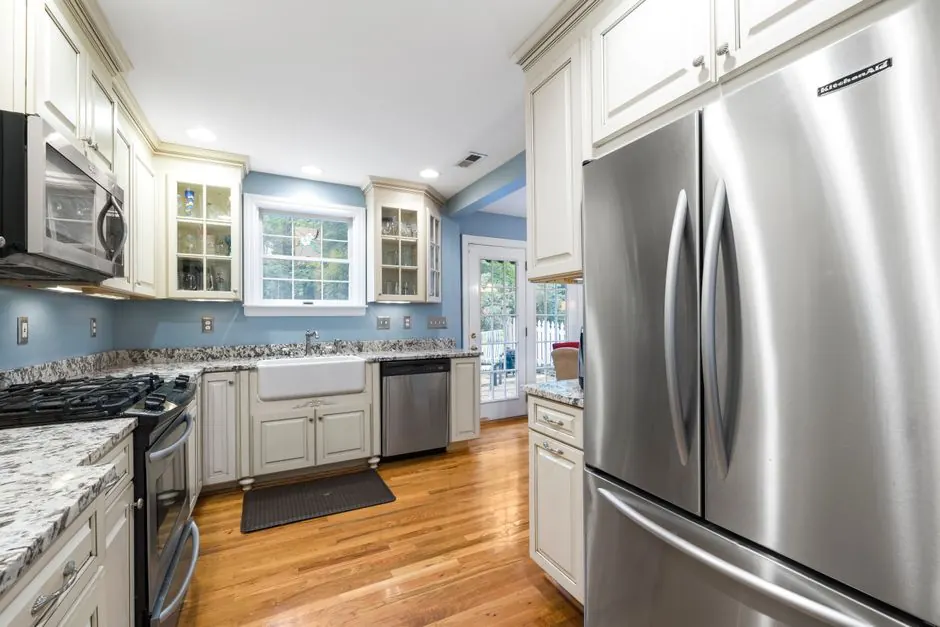
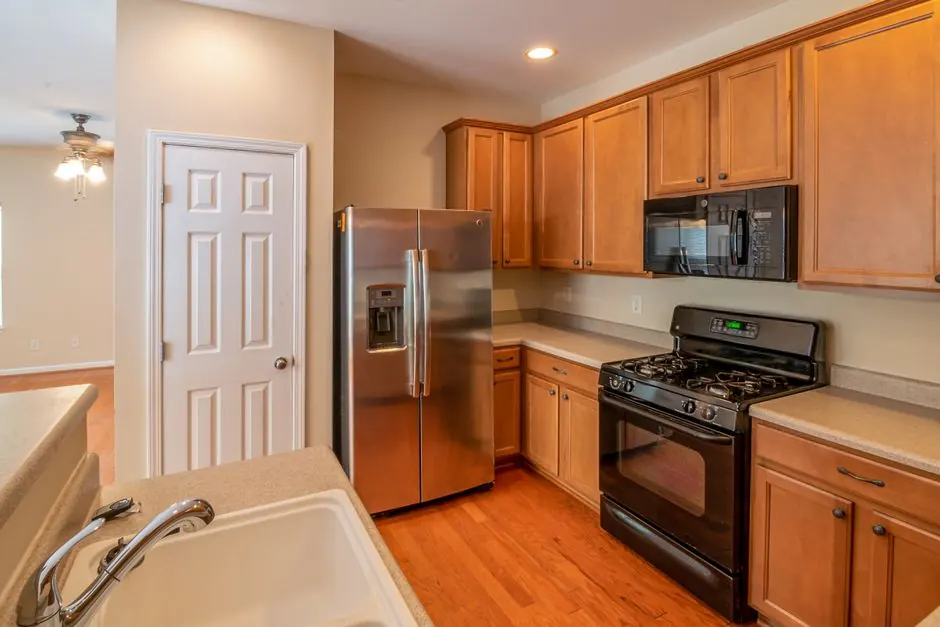
Lake Tapps homes range from established houses to newer construction and remodeled kitchens, with appliance installations that vary in width, ventilation, and water-line access. A refrigerator that loses cooling can put a week's groceries at risk, so we start with the symptom and actual temperature rather than a quick guess. We repair standard and built-in units, freezer combinations, and ice makers in family kitchens across the area. For Residential Refrigerator Repair, we protect flooring and cabinetry, check the appliance's access route, and test components in place whenever possible. Families often call after noticing warm milk, soft frozen food, unusual cycling, or a puddle near the cabinet. We also explain simple follow-up checks, such as monitoring for 37°F in the refrigerator and 0°F in the freezer after service.
We record refrigerator and freezer temperatures in your Lake Tapps home, then check airflow, fan operation, controls, and door sealing. That process separates a restricted vent or weak fan from a larger cooling failure. After repair, we test the appliance response and explain which readings to watch.
Built-in refrigerators in Lake Tapps kitchens need careful handling around panels, trim, and cabinetry. We check the route and clearances before moving the unit, then diagnose accessible components without forcing the appliance out of a tight opening. The goal is a correct repair with the kitchen finish protected.
When your Lake Tapps freezer develops heavy frost or softens food, we inspect the gasket and defrost operation, then test the relevant parts. We do not treat repeated manual defrosting as a repair. Once the fault is corrected, we verify airflow and check the freezer's temperature trend.
We troubleshoot ice makers and water leaks in Lake Tapps homes by checking the filter, supply connection, fill cycle, and assembly. After securing or replacing the faulty component, we run water through the system and inspect for drips. We also help you identify where to monitor the next cycle.
- Protect groceries by addressing refrigerator temperatures above 40°F and freezer readings above 0°F promptly.
- Keep finished floors and cabinetry protected with access planning before a large appliance is moved.
- Get a diagnosis based on measured temperatures and component tests, not a guess from the appliance noise.