Residential Refrigerator Repair for Hazel Dell Homes
Hazel Dell homes range from established houses with older kitchen layouts to apartments and newer residential construction. A refrigerator failure affects groceries, meal planning, and household routines immediately, especially when the fresh-food compartment climbs above 40 degrees Fahrenheit. Our residential service starts with the appliance model and your description of the fault, then checks cooling, airflow, seals, and the relevant electrical components. We handle Refrigerator Not Cooling Repair, freezer problems, leaks, and ice maker faults without treating every symptom as a reason to replace the appliance. If your home has a narrow kitchen entry, stairs, or limited parking, tell us when booking so we can plan safe access.
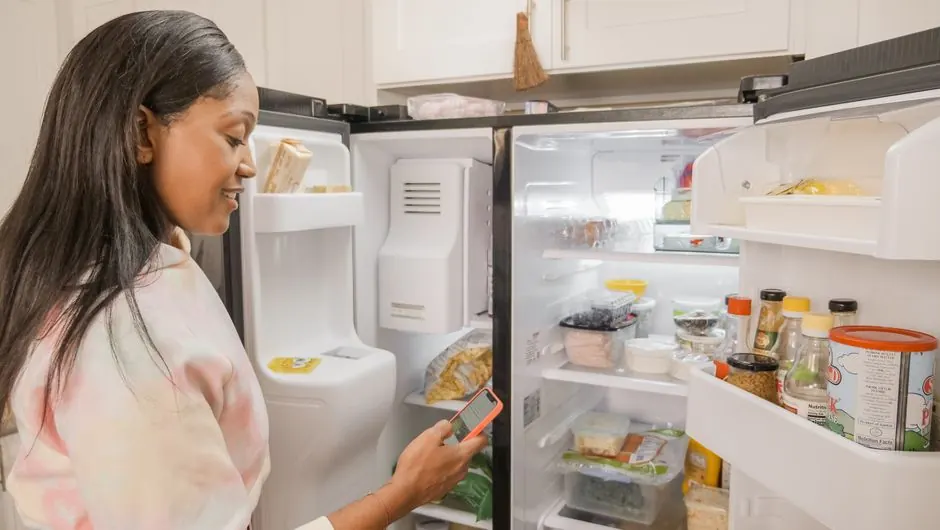
We check temperature, airflow, controls, and door closure in Hazel Dell kitchens before recommending a repair. Tell us whether the freezer remains cold and when the problem started. Those details help us separate a compartment airflow issue from a broader cooling failure and focus the diagnostic visit.
When a Hazel Dell freezer builds frost or softens food, we inspect the defrost system, seal, and airflow. We verify the unit's operation against a 0-degree Fahrenheit target and identify whether a failed component or door closure is behind the symptom.
We trace leaks and ice production failures through accessible water connections, filters, and the ice maker assembly. For Hazel Dell homes, let us know if water appears inside the drawers, under the appliance, or only during ice production. The location helps narrow the inspection.
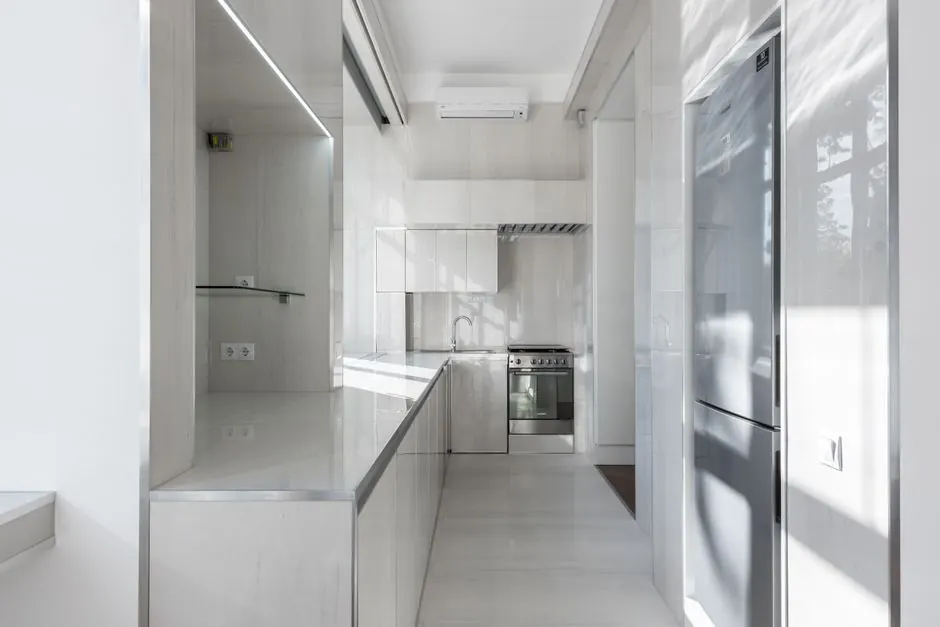
Some Hazel Dell kitchens leave little room around built-in or counter-depth refrigerators. We ask about dimensions and access before the visit, then protect surrounding floors and cabinetry while reaching service points. If the unit needs to move, we plan the route rather than forcing it.
- Get a measured diagnosis before a major part is replaced, so you can make a practical repair decision.
- Protect groceries by responding to a fresh-food temperature above 40 degrees Fahrenheit without delay.
- Receive a clear explanation of what was tested and what temperature to monitor after the repair.