Residential Refrigerator Repair in Spokane Valley
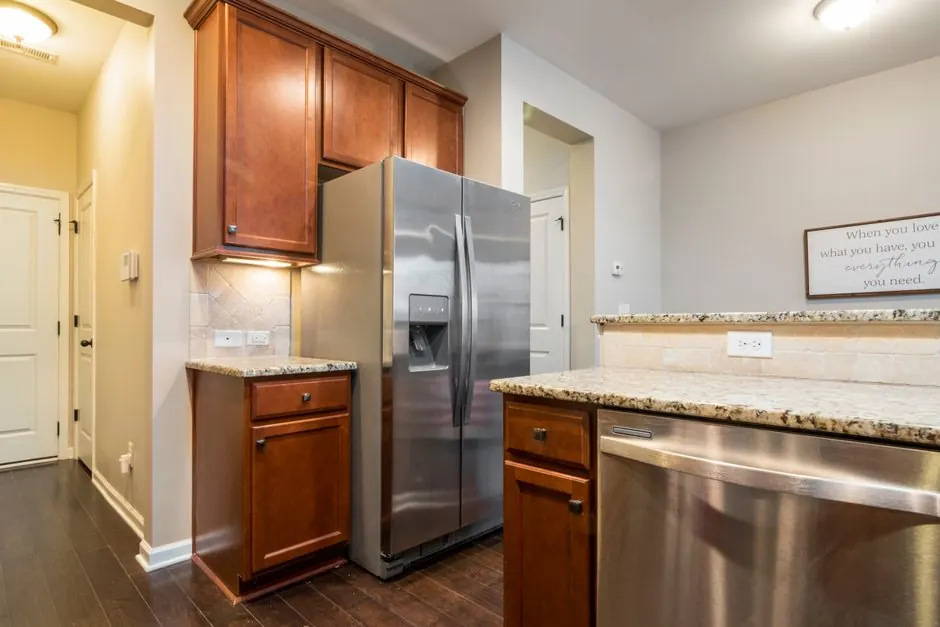
Spokane Valley homes include varied kitchen layouts, suburban housing, and newer construction with appliances ranging from standard freestanding refrigerators to built-in models. A warm refrigerator disrupts meal planning quickly, especially when the freezer is also losing temperature. Our residential fridge repair Spokane Valley Washington visits start by separating the symptoms: fresh-food temperature, freezer temperature, leaks, noises, and display codes. We protect floors and nearby cabinetry, check the appliance model, and test the most relevant systems before recommending a repair. If your refrigerator is in a garage, utility room, or tight alcove, tell us before the appointment. Location, clearance, and ambient conditions can affect access and diagnosis. We complete the repair, then check the appliance's operation so you know whether cooling is recovering and what to watch next.
We measure fresh-food and freezer temperatures and compare them with the reported symptoms. In Spokane Valley homes, this helps us distinguish a whole-unit cooling failure from an airflow or compartment-specific problem. Keep the doors closed before the visit and tell us how long the temperature has been changing.
A puddle can come from the ice maker supply, filter seating, or a blocked drain. We trace the water path in your Spokane Valley kitchen, correct the confirmed source, and test for recurring moisture. Wipe up standing water and keep it away from electrical outlets while service is arranged.
We inspect the water supply, filter, fill path, and ice maker behavior when your Spokane Valley refrigerator stops making ice or leaks during a cycle. Share whether the dispenser works and when ice production changed. Those details help us focus the visit and verify the correct function afterward.
Panel-ready and built-in refrigerators need careful access to protect cabinetry and flooring. Tell us the model, width, and whether the unit is secured within a cabinet run. Our Spokane Valley technician plans the movement before pulling the appliance forward, reducing avoidable strain on the floor and connections.
- Clear diagnosis helps you avoid replacing a part that testing has not shown to be faulty.
- Temperature checks after repair give you a concrete way to see whether cooling is recovering.
- Access planning protects kitchen floors, cabinets, water lines, and the appliance during movement.