Residential Refrigerator Repair for Yelm Homes
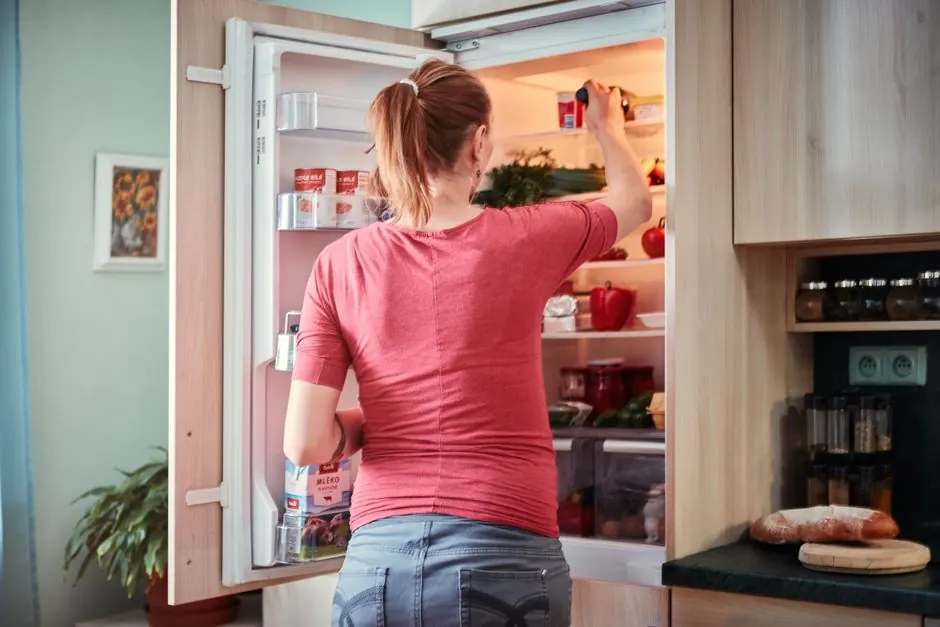
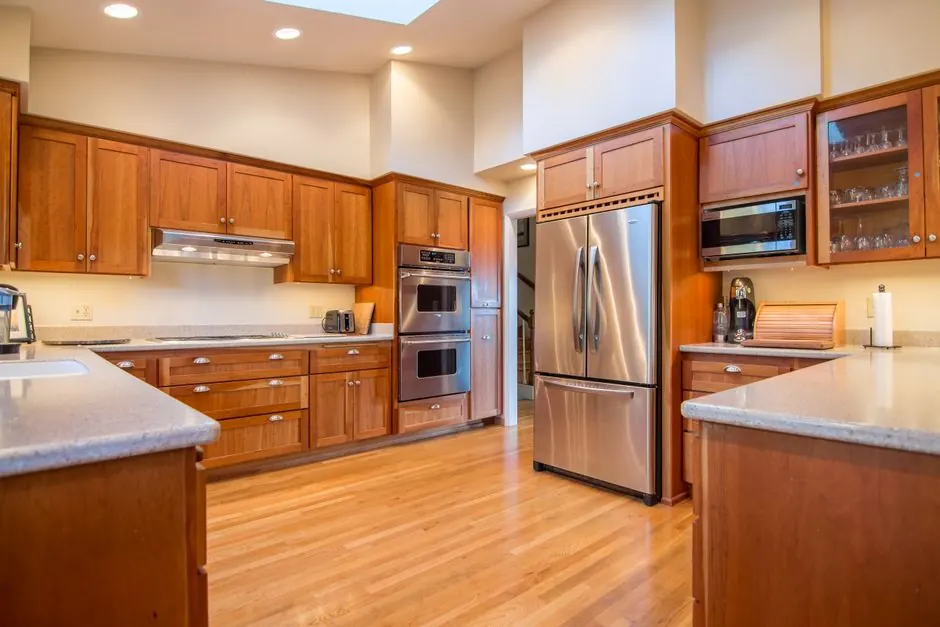
Yelm homes range from established houses near the town center to newer residential construction and properties toward North Yelm. Kitchens differ in cabinet clearance, water-line placement, and room to move a full-size appliance, so we ask about the setup before arrival. Residential Refrigerator Repair covers warm compartments, freezer frost, leaks, noisy fans, and ice maker faults. If a family refrigerator stops cooling, we focus first on temperatures and food-storage risk, then test the system causing the change. Our team protects the floor, explains the confirmed repair, and checks the appliance's operation before leaving. For a built-in refrigerator or a unit reached by stairs, share those details when booking.
We check temperature, fan operation, control settings, and clear airflow paths in Yelm homes. If the freezer is cold but the refrigerator is warm, we focus on the air transfer system and verify whether a vent or component is restricting circulation.
A freezer with heavy frost or soft food needs more than a manual thaw. We test the defrost system, door seal, and airflow, then repair the confirmed fault. We explain the recovery period so your household knows when to recheck stored food.
We trace leaks and ice maker failures through the filter, supply connection, and assembly. In Yelm kitchens, checking the floor and cabinetry around the refrigerator matters as much as restoring ice production. We run the relevant cycle and look for moisture before wrapping up.
We plan around tight kitchen turns, stairs, and built-in cabinetry before moving a refrigerator. Our team protects accessible flooring, uses proper handling equipment when appropriate, and confirms the unit is positioned with ventilation clearance after service.
- Temperature checks help you decide what food needs attention while the refrigerator is being repaired.
- Clear diagnosis prevents replacing parts that do not match the confirmed fault in your Yelm home.
- Floor protection and access planning reduce avoidable damage in tight kitchens and residential hallways.