Residential Refrigerator Repair for Fife Homes
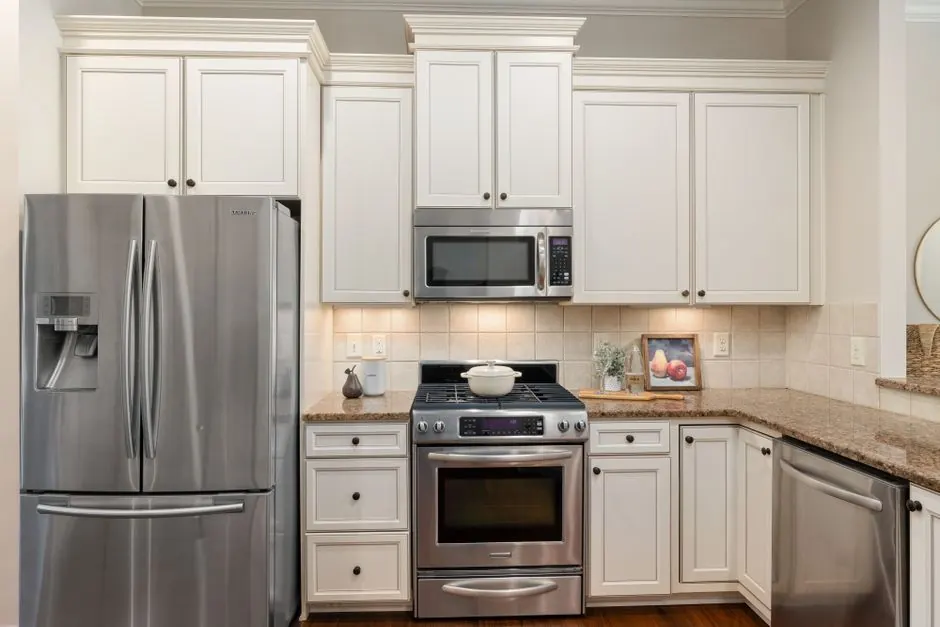
Fife homes include established houses, apartments, townhomes, and newer residential developments, each with its own appliance access and kitchen layout. We repair French-door, side-by-side, and top-freezer refrigerators, including units fitted into narrow cabinet openings. A refrigerator not cooling can threaten groceries quickly, so we ask about temperatures, noises, leaks, and recent changes before arrival. Our technician tests the appliance, explains the fault, and checks cooling response after the repair. Residential Refrigerator Repair is planned around your household routine, whether you need a weekday appointment or an urgent call after discovering a warm refrigerator. We also take care around flooring, cabinets, and nearby counters while accessing the appliance.
We measure the fresh-food and freezer sections, inspect vents, and test relevant fans and controls. If your Fife refrigerator is warm on one side but cold on the other, those readings help us narrow the fault. We verify airflow after repair and give you practical temperature checks for the next day.
A torn gasket or water leak can damage food, flooring, and nearby cabinets. We inspect the seal around the full door, check closure, and trace water-connected faults to their source. For Fife homeowners, we protect the immediate work area and confirm the door seals or connection stays dry after service.
We address frost buildup, soft frozen food, and ice maker interruptions by checking temperature, defrost operation, water flow, and component function. If your Fife household uses a dispenser daily, tell us whether it stopped suddenly or produced smaller batches first. That timeline helps us plan the right checks.
Built-in and counter-depth refrigerators can be difficult to move through narrow kitchen layouts. Before a Fife visit, we ask about the opening, nearby trim, stairs, and entry route. Our technician protects the surrounding area and moves the appliance only as far as the diagnosis safely requires.
- Protect groceries by identifying unsafe temperature changes early and checking the refrigerator against a 40-degree Fahrenheit target.
- Avoid unnecessary part replacement through measured troubleshooting of fans, seals, controls, and airflow before repair.
- Keep the kitchen usable with careful access planning for tight cabinets, apartment entries, and occupied family homes.